Ph.D. Candidate in Human-Centered Computing

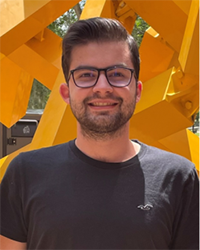
Hi, I'm Rodrigo Calvo

Human–Computer Interaction researcher studying how virtual agents can become more trustworthy, appropriate, and socially intelligent. My work examines how design attributes, such as mimicry, positioning, gaze, and self-disclosure, shape user perceptions, engagement, and interaction experiences.

Rodrigo Calvo
About Me

Human-Centered Computing Researcher

Investigating how people perceive and engage with virtual agents to design more natural, trustworthy, and socially intelligent interactions.

I'm a Ph.D. candidate in Human-Centered Computing at the University of Florida. My research focuses on understanding the social dynamics that shape human–agent interaction. I study how design attributes, such as mimicry, positioning, gaze, and self-disclosure, influence trust, appropriateness, engagement, and users' mental models of virtual agents.

My work spans companion virtual agents, mixed-reality interfaces, and physiological computing. I use both qualitative and quantitative methods to investigate user behavior and design interactive systems that better support user needs. I hold an M.S. in Computer Science from the University of Florida and a B.S. in Computer Science from Utah State University, which provide the technical foundation for my research in HCI, AR, and adaptive interfaces.
Research Focus

  • Human-Agent Interaction
  • Companion Virtual Agents
  • Design Attributes (Mimicry, Positioning, Self-Disclosure)
  • Augmented & Mixed Reality
  • Physiological Computing
  • Task Guidance Systems

Technical Expertise

  • Unity & MRTK
  • AR/VR Development
  • JavaScript / React / Node.js
  • Java / Python / C#
  • SQL & NoSQL Databases
Research Interests

Current Investigations

Exploring the social dynamics of human–agent interaction and the design of adaptive, socially intelligent virtual agents.

Socially Intelligent Virtual Agents

My research investigates how key design attributes—such as mimicry, positioning, gaze direction, and self-disclosure—shape user trust, appropriateness, and engagement. I study both short-term interactions and long-term usage patterns of companion agents to understand how relationships develop and how design choices influence sustained interaction.

Physiological Computing

I use physiological signals, including electrodermal activity, heart rate variability, and eye tracking, to model user interruptibility in mixed-reality environments. My work shows that user-dependent models can predict interruptibility with around 74% accuracy, enabling applications and interfaces to time their interventions more effectively.

AR Task Guidance Systems

As part of a DARPA-funded project, I study how augmented reality can support users in complex procedural tasks. Through in-home cooking studies and mixed- reality experimentation, my work identifies user needs and explores how AR systems can provide context-sensitive guidance while respecting user autonomy and reducing cognitive load.

Academic Work

Selected Publications

Recent contributions to the academic discourse on human-centered computing.

2025
Conference

Exploring Interactions with Companion Virtual Agents

Calvo, R., Wang, H., Barquero, A., Zhang, X., Venkatakrishnan, R., & Ruiz, J.

Proceedings of Human-Agent Interaction 2025 (HAI '25)

This study presents a seven-day investigation into how adults interact with a GPT-4-powered companion virtual agent. Analysis of daily conversations revealed strong interest in relational dialogue but also challenges such as declining engagement, limited memory, and occasional unnatural responses. These findings identify design opportunities for creating more adaptive and socially responsive companion agents.

2025
Conference

Exploring Users' Perceptions on Position, Gaze Direction, and Gender of Virtual Agents in Augmented Reality

Calvo, R., Wang, H., Barquero, A., & Ruiz, J.

Proceedings of Graphics Interface 2025

This study examines user preferences for virtual agent configurations in AR headsets. With 48 participants using the Microsoft HoloLens 2, we tested various agent positions, sizes, and gaze directions. Results showed a preference for male agents, while no consistent preference emerged for position or gaze direction, contributing to design guidelines for virtual agents in AR environments.

2024
Conference

Understanding User Needs for Task Guidance Systems Through the Lens of Cooking

Barquero, A.*, Calvo, R.L.*, Delgado, D.A.*, Wang, I., Anthony, L., & Ruiz, J. (*Equal Contribution)

Proceedings of the 2024 ACM Designing Interactive Systems Conference (DIS '24), pp. 2006-2018

This study examines user needs for task guidance systems through contextual inquiry in home kitchens. Through affinity diagramming of observations, we identified common obstacles and established user needs in object interaction, safety, knowledge base, and task coordination. These findings inform the design of technology-driven solutions for task guidance systems beyond cooking contexts.

Personal Development Projects

Creative Explorations

Side projects where I experiment with new technologies and pursue creative coding challenges.

Viaja Ahora Disfruta (VAD)

An Airbnb-inspired platform designed specifically for the Bolivian market, connecting travelers with local accommodations throughout Bolivia.

Node.js Express Firebase

AyudemosYa

A crowdfunding platform tailored for Bolivian communities with integrated local payment methods, enabling support for community initiatives and projects.

Node.js Express Firebase

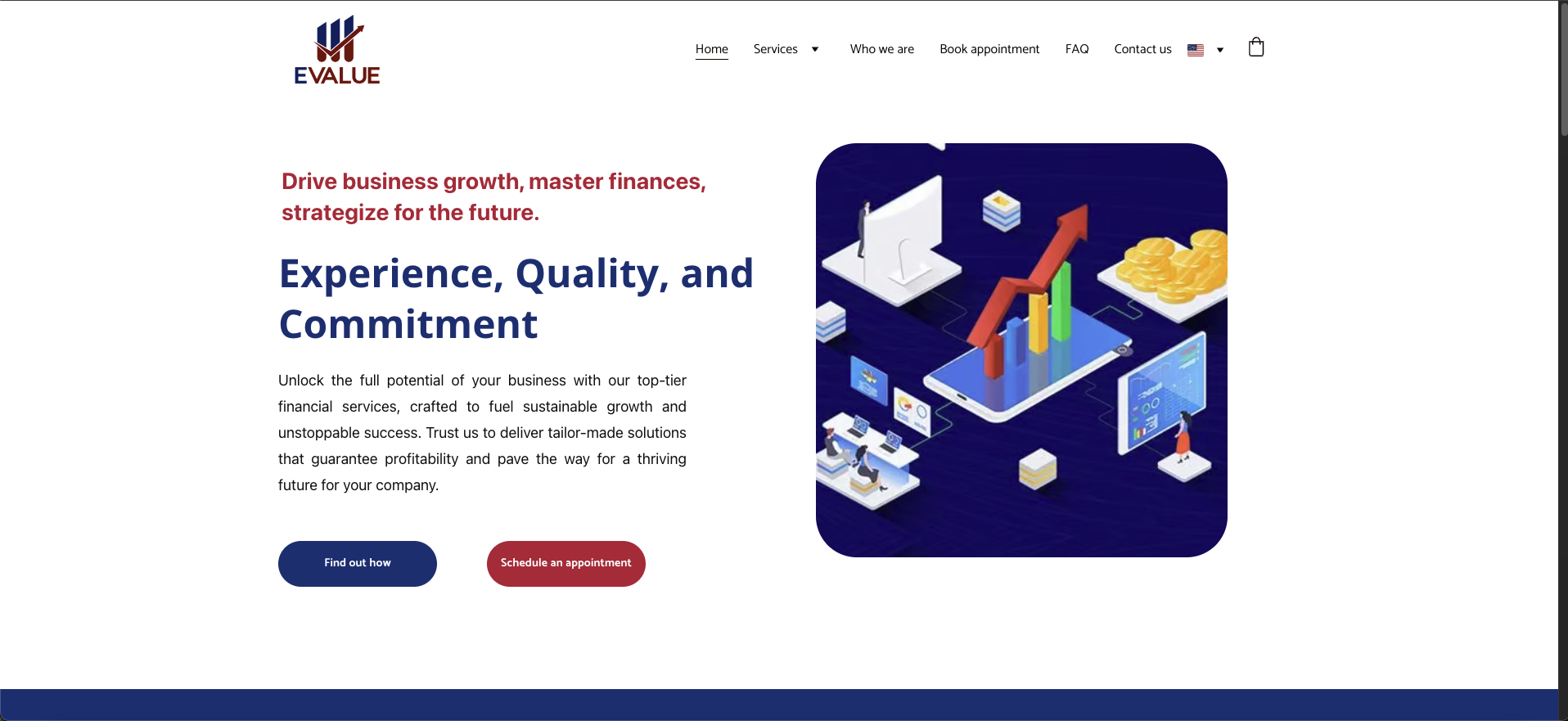
Evalue Website

Developed and maintained a responsive website for Evalue, a financial consulting firm. Ensured cross-device compatibility and implemented SEO best practices.

HTML/CSS JavaScript SEO

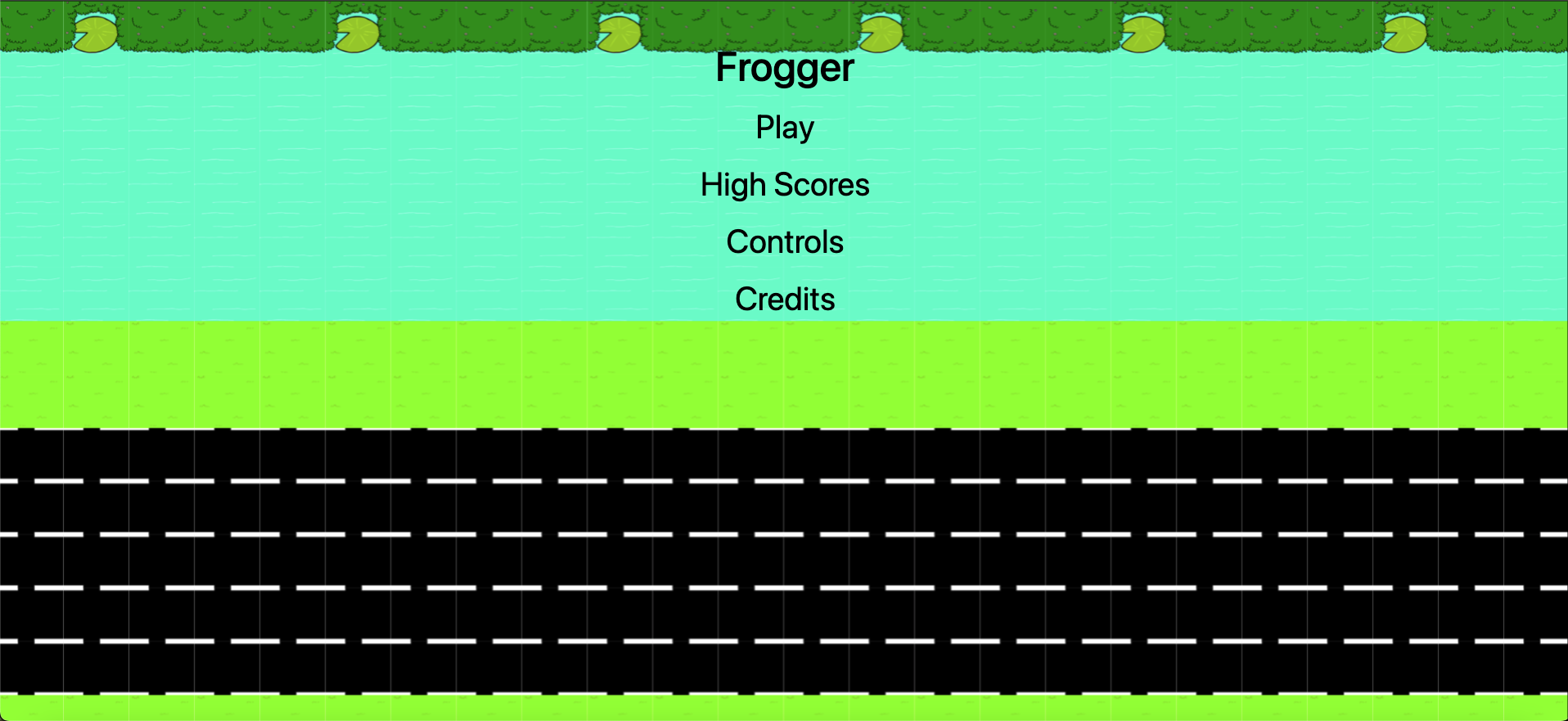
Frogger

Web version of popular arcade game Frogger

HTML CSS JavaScript

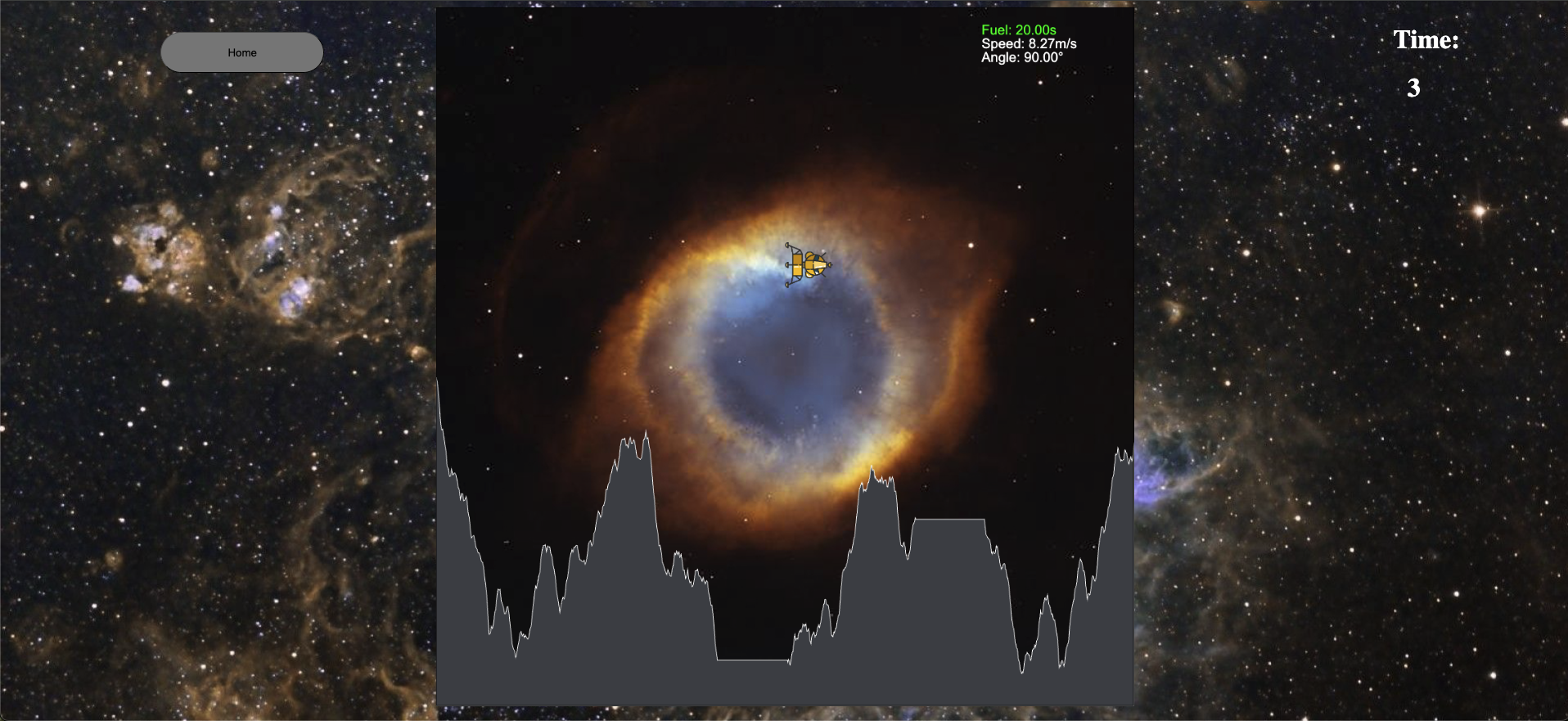
Lunar Lander

Web version of popular arcade game Lunar Lander.

HTML CSS JavaScript

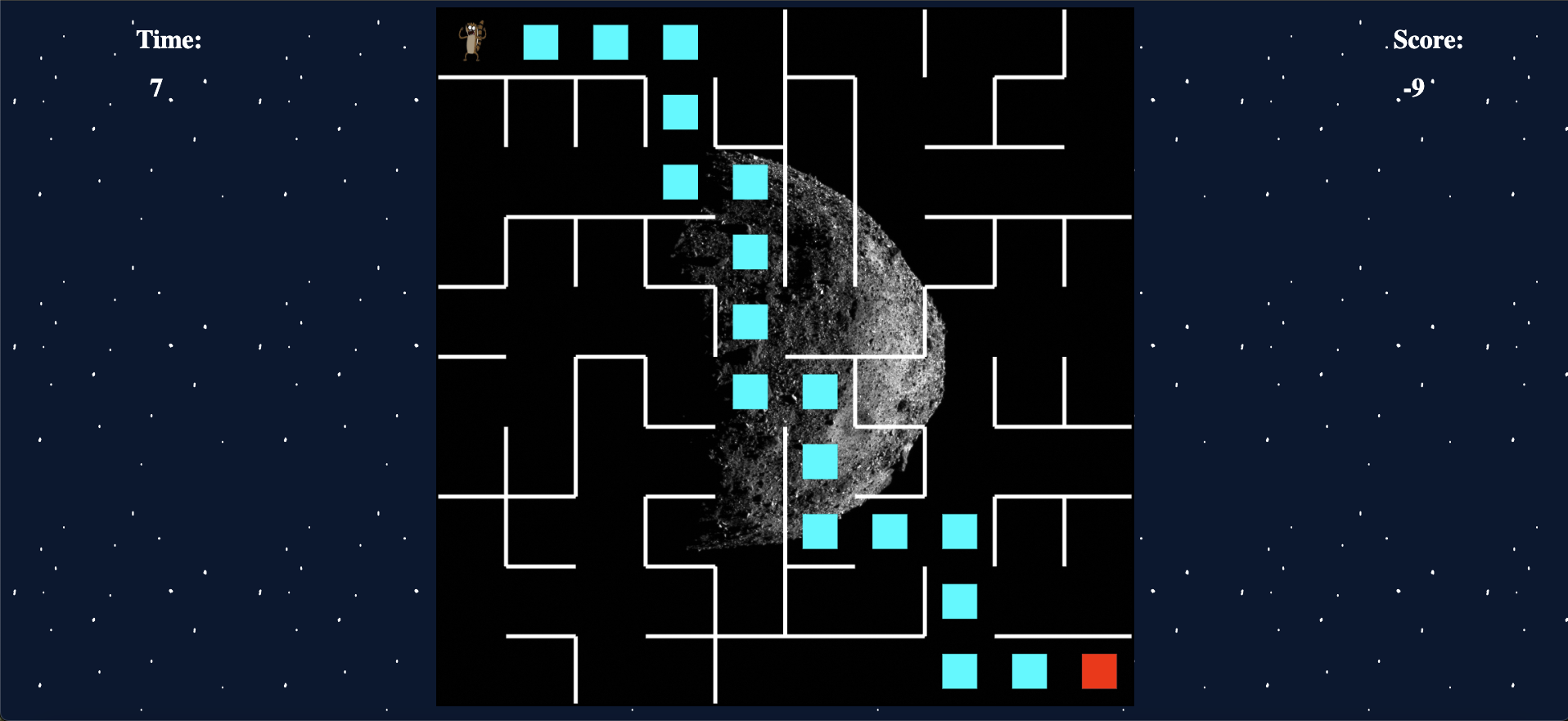
Maze Game

Web version of maze game.

HTML CSS JavaScript
Get in Touch

Let's Connect

I'm always interested in collaborations, questions about my research, or just a good conversation.

Computer Information Science & Engineering
University of Florida
Gainesville, FL
Please enter your name
Please enter your email
Please enter the message subject
Please enter your message